Choosing an apartment at Glade Court is rarely about finding the single best home on site. It is about finding the one that fits your mornings, your budget and your plans for the next few years. Two apartments on the same corridor can feel entirely different once you factor in the floor, the outlook and the layout behind the front door. What follows is the order most people find useful: lifestyle first, layout second, then level, view and cost. Work through it once and your shortlist tends to sort itself out.
Start With How You Actually Live
Before you look at a single floor plan, spend ten minutes being honest about your routine. Do you work from home three days a week? Do you cook properly, or is the kitchen mostly a kettle and a toaster? Will people stay over, and does that need to be a proper bed or is a sofa fine?
These answers decide more than square footage does. A compact two-bedroom apartment with a small second room can serve you far better than a generous one-bedroom if you need a desk, a guest bed or somewhere to shut the door on work at six o'clock.
Three questions worth answering first
- How many rooms do I need to be genuinely separate, and which ones?
- Do I want morning light or evening light more?
- How much storage do I own right now — not how much I intend to own?
Getting to Grips With the Layouts
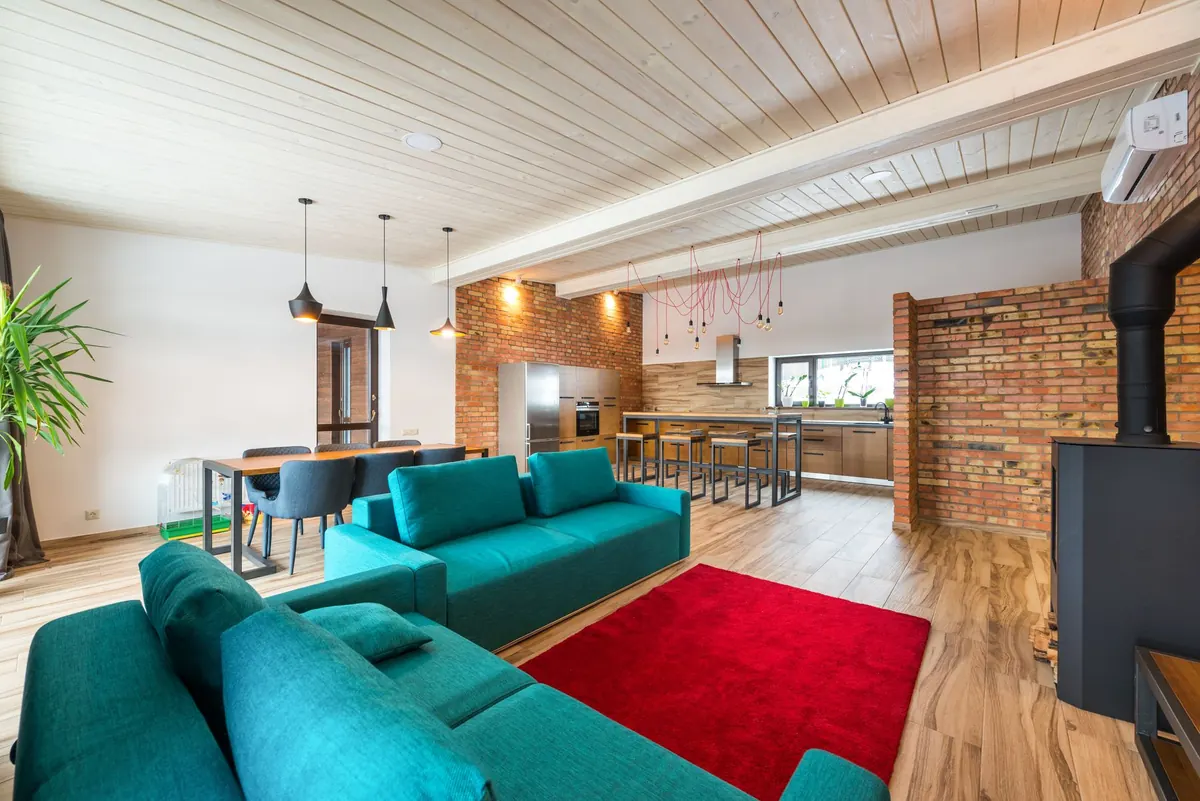
Most apartments at Glade Court fall into a handful of recognisable shapes: a one-bedroom with an open-plan living and kitchen area, a one-bedroom with a separate kitchen, a two-bedroom with a family bathroom, and larger two-bedroom layouts with an en suite. Some blocks also include duplex or upper-floor apartments spread over two levels.
The difference between open-plan and separate kitchens matters more than people expect. Open-plan feels bigger and is lovely for hosting, but cooking smells and noise travel. A separate kitchen gives you a door, which is priceless if you are on calls all day or you like a slow Sunday roast.
Take a tape measure to viewings and check your bulkiest furniture against the actual walls. Look at where the boiler, water tank or utility cupboard sits, because it is often the difference between a comfortable hallway and a cramped one. Corridor width, door swing and ceiling height all affect how a room feels with real things in it.
Storage is the quiet deal-breaker
Count the built-in wardrobes, the cupboards and the space for coats and shoes near the entrance. Ask where bikes, buggies and suitcases are meant to live. If the answer is "in the apartment", make sure the apartment can actually take them.
Floor Level: The Trade-Offs Nobody Mentions
Ground-floor apartments usually win on convenience: fewer stairs, easier moving days, and often a patio or a small piece of outside space. They also tend to be cooler in a warm spell. Against that, you may get more foot traffic past your windows, more noise from entrance doors, and less privacy from the path or car park.
Middle floors are the easy compromise. They are quieter than the ground floor, brighter than the lowest level, and usually quick enough to reach by stairs when the lift is busy. If the building has a lift, middle floors also mean you are not wholly dependent on it.
Top-floor apartments offer the best light and the widest views, and there is rarely anyone above you. The trade-offs are heat in summer, reliance on the lift, and a longer haul with shopping. Check the lift's condition and ask how often it is serviced, as well as where the bin store and recycling point are — a top-floor apartment next to a smelly bin store is a bad combination.
The Outlook You Will Live With
Outlook is the part of an apartment you cannot change, so give it real weight. In the UK, a south-facing apartment gets sun for most of the day, east-facing gives you bright mornings, west-facing gives long evenings and some summer heat, and north-facing is cooler and more even, which suits people who dislike glare.
Then look at what you are actually facing. A green courtyard or mature trees will stay pleasant. A car park, a service yard or a neighbouring wall will not improve. Visit at different times if you can: a view that looks fine at 11am can be dim and closed-in by 4pm in winter.
Ask whether any building work is planned nearby, and listen at the window with it open. Traffic, a plant room or a busy walkway can be the difference between a peaceful home and a tiring one.
Budget: The Figure on the Listing Is Only the Start
Whatever you pay to rent or buy, there are ongoing costs on top. For renters, check what is included and what is not: heating, water, broadband, parking, and any charge for communal facilities. For buyers, look at the service charge and what it covers, any ground rent if the apartment is leasehold, and the council tax band.
Energy use deserves attention too. A top-floor apartment with large windows can be warm in summer and hard to heat in winter, while a well-insulated middle-floor home may cost noticeably less to run. Ask about the heating system, the boiler's age and the window glazing.
If you are buying leasehold, read the lease carefully: its length, the ground rent terms, and how service charges have changed over recent years. This is where professional advice is worth every penny. Instruct a solicitor or conveyancer to review the paperwork, and speak to an independent mortgage broker or financial adviser about what you can genuinely afford. Leave yourself a contingency rather than stretching to the maximum a lender will offer.
A Short Viewing Checklist
- Turn on the hot tap and check the water pressure.
- Open every window and check they close properly.
- Test mobile signal in each room, and ask about broadband.
- Look behind curtains and under sinks for damp, mould or peeling paint.
- Check the age and location of the boiler or heating unit.
- Count the sockets in rooms you will use most.
- Walk the communal areas — how they are kept says a lot.
- Visit once in the evening, if you can, to hear the building at rest.
Making the Decision
Write down your top three must-haves and one thing you would happily compromise on. Then score each shortlisted apartment against them, rather than against each other. That small shift stops a bigger apartment with a poor outlook beating a smaller one that suits you perfectly.
Check the practical details before you commit: lease or tenancy terms, service charges, parking arrangements and any restrictions on pets or subletting. For anything legal or financial, take proper professional advice rather than relying on a neighbour's experience.
And trust the visit. If you felt calm walking in, noticed the light, and could picture your furniture in place, that is useful information — often more useful than a floor plan. Choose the apartment that fits the life you are actually living, with a little room for the one you are heading towards.
Photo: Mia Vargas / Pexels