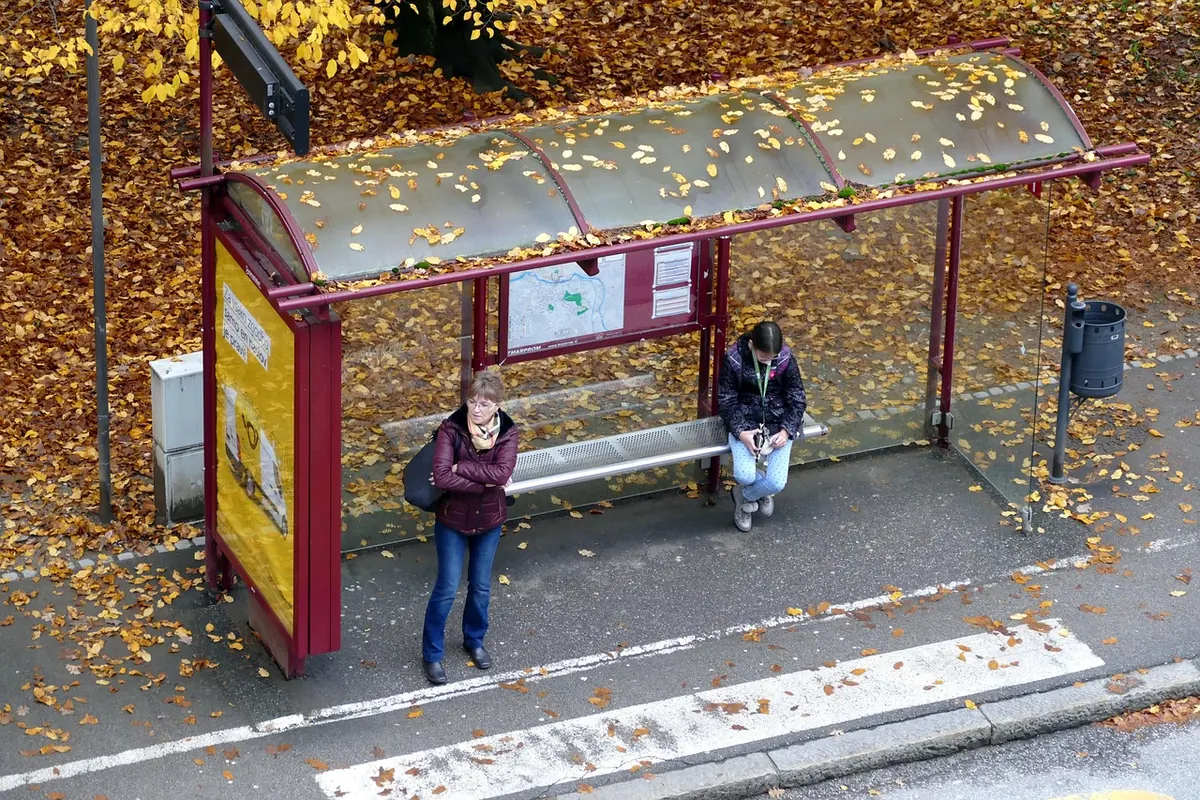
Moving into Glade Court is usually the easy part. The boxes go in, the kettle turns up, and for a week or two everything still feels new. Then bin day arrives, a van parks across the turning circle, and someone leaves a note under your windscreen wiper. Almost every awkward moment in a shared building comes down to one of a handful of habits — and none of them are hard to change. Here is the short version: the mistakes new residents make most often, and what to do instead.
Recycling: one wrong item can sink the whole bin
Recycling rules vary from one council to the next, and the label on the bin is the only version that counts. The mistake most new residents make is assuming that anything which looks recyclable belongs in the mixed recycling bin. A greasy takeaway container or a bag of nappies sitting in the wrong bin can be enough for the whole load to be rejected — which means everyone's effort in that bin goes to waste.
The usual offenders:
- Recyclables bagged up in carrier bags, which the sorting machinery cannot open
- Jars and tubs with food still clinging to the inside
- Soft plastics, cling film and crisp packets
- Polystyrene, which shatters and contaminates everything around it
- Batteries, vapes and small electricals — a genuine fire risk once they are in a collection lorry
- Nappies, textiles and general rubbish that never belonged in the recycling stream
Rinse what needs rinsing. It does not have to be spotless, just free of food. Flatten cardboard so it does not wedge itself across the bin. Take batteries and vapes to a supermarket collection point or your local household waste recycling centre rather than dropping them in with the cans. And when you genuinely cannot tell whether something is recyclable, put it in the general waste. One wrong item undoes a lot of right ones.
Communal bins: the small habits that keep the waste area usable
The waste area is nobody's favourite corner of the building, which is exactly why it drifts. Bags get left on the ground beside a full bin, cardboard stacks up unflattened, and by Sunday evening the whole thing looks like a problem for someone else. It is worth knowing what that actually costs: loose food waste attracts foxes, gulls and wasps, and unflattened cardboard fills a bin that four other flats still need.
Three habits cover most of it. Flatten every box before it goes in. If a bin is full, use another one or keep your bag in your flat until the next collection instead of stacking it on top. And if the waste area itself is the problem — a broken lid, a blocked chute, a bin that has not been emptied — report it to the management company rather than working around it. A chute blocked by a bag that was too big for it is a job for them, not for the next resident who tries to use it.
Parking: where most of the notes come from
Parking is the single fastest route to a bad first impression. On the day you move in, find your allocated bay and make a note of the number; if permits are required, put yours where it can be seen from outside the car rather than in the glovebox. Visitor bays exist for visitors, not for a second car or a guest who ends up staying a fortnight — that is a conversation to have with the management company in advance, not after a complaint.
The mistakes that cause real trouble are the ones that block other people: parking across the turning area, leaving a car half on the kerb, taking two spaces because the bay is tight, or using a charging point as an ordinary parking space. Refuse lorries, delivery vans and emergency vehicles all need to get through, and a car parked "just for five minutes" is often there for fifty. If you are expecting a van or a tradesperson, tell them where to stop and how long they can stay.
Parcels: good intentions, unnecessary disputes
In a building with a shared entrance, parcels have a habit of piling up in the hall. That pile is not just untidy — communal hallways are escape routes, and they need to stay clear. It is also worth being realistic about what a parcel left in the lobby actually is: unsecured. Nobody has signed for it, so nobody is responsible if it disappears.
A few things make deliveries much less stressful:
- Give the courier clear instructions — a named neighbour who has agreed in advance, a safe place, or the building's reception if there is one.
- Use a local locker or shop collection point for anything valuable, and redirect to work if you are rarely in during the day.
- Sign up to the courier's app where you can, so you get a delivery window rather than a card through the door.
- Only accept a neighbour's parcel if you can hand it over the same day — not if you are going away, and not if it is perishable.
If something does go missing, contact the retailer first. If you bought it and it never reached you, that is their problem to sort out with the courier, not yours to chase.
Noise: it is usually about timing, not volume
Most noise complaints in a shared building are not about wild parties. They are about a washing machine running at eleven at night, a door pulled shut rather than closed, a television whose bass carries through the floor, or a dog barking for three hours while its owner is out. Hard flooring makes all of it worse — footsteps and chair legs travel in a way that carpet simply absorbs.
Cheap fixes work surprisingly well: rugs in the main rooms, felt pads under furniture, headphones for late-night viewing, washing machines and DIY moved into daytime hours, and doors closed with a hand on them. If you are having people round, tell your immediate neighbours beforehand and give them an end time. It is a two-minute conversation that prevents most of the resentment.
If you are on the receiving end, knock on the door first and keep it friendly and specific — "the bass comes through around midnight" is easier to act on than "you're always noisy". If nothing changes, keep a simple log of dates and times and pass it to the management company or the landlord; a record turns a vague complaint into something they can act on. For persistent problems, the council's environmental health team deals with statutory noise nuisance.
Settling in without friction
Read the residents' handbook or your lease before you need it. The answers to most of the questions above — bays, bins, noise, alterations, what can be left in communal areas — are already written down there, and it is the document the management company will refer to if a disagreement arises.
Beyond that, the practical version is simple: introduce yourself to the people either side of you and opposite, save the management company's contact details somewhere you will find them, and report small problems early rather than letting them build. Nobody expects a new resident to get everything right in the first month. They do notice the ones who make an effort. If something does turn into a genuine dispute — about a lease term, a charge or damage — ask the management company to confirm their position in writing, and take proper advice before it escalates.
Photo: mariya_m / Pixabay