Where you are going, and when, decides almost everything about the best way to get there from Glade Court. A trip to the nearest parade of shops is a walk. A hospital appointment on the other side of town is a different question entirely. What follows is a plain comparison of the four options residents actually use — walking, cycling, bus and train — with the trade-offs spelled out rather than dressed up. Nothing here replaces a live timetable check, but it should help you decide what is worth your time before you pick up the front door keys.
Walking: the honest benchmark
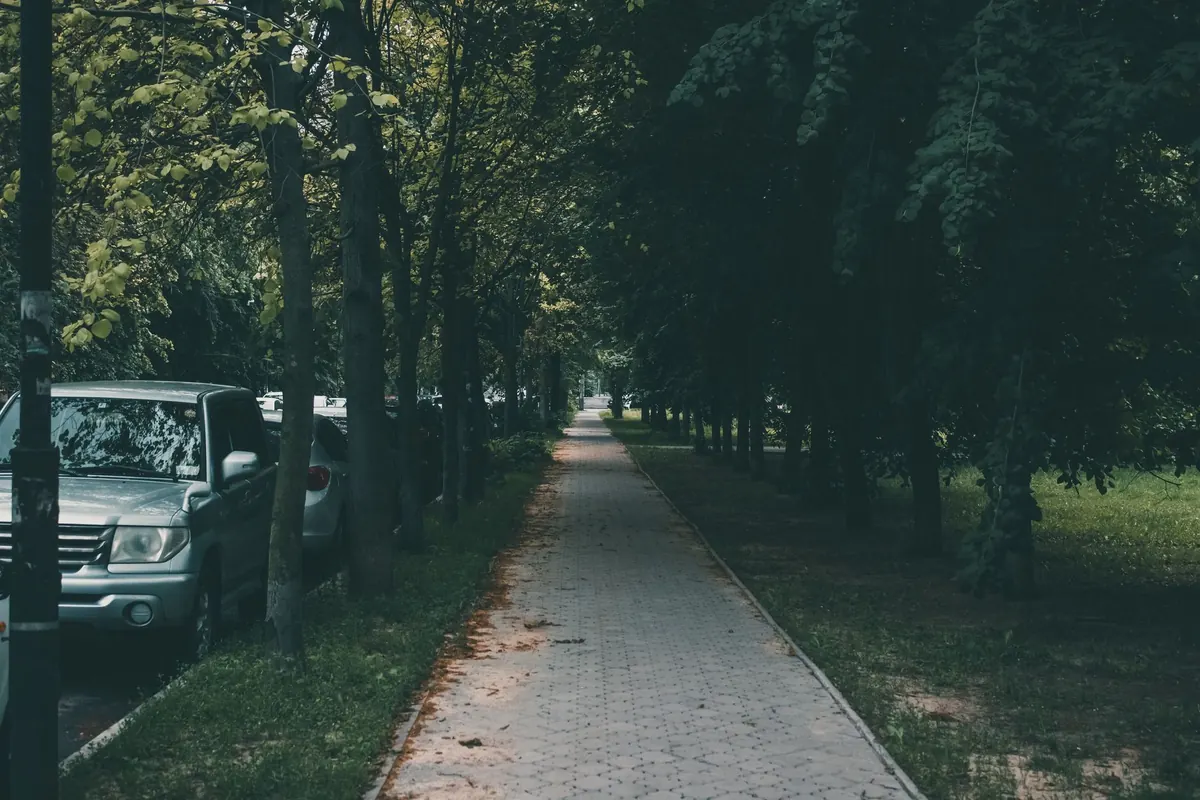
Walking is the one mode with no timetable, no fare and no waiting. From most parts of the estate, the local shops, the primary school, the GP surgery and the nearest bus stops sit within a comfortable ten to twenty minutes on foot. That range is worth mapping properly once: time yourself to the shop, to the bus stop, to the school gate. Once you know those numbers, you stop guessing and start deciding.
Two things make walking more attractive than people expect. First, the walking route is often more direct than the driving route — footpaths cut through where roads curve. Second, it is reliable in a way nothing else is. A twenty-minute walk takes twenty minutes, whether it is a Tuesday morning or a Saturday afternoon.
The obvious limits are rain, darkness and carrying things. A decent waterproof, a torch for winter evenings and a small folding trolley for heavier shopping solve most of that.
Cycling: the quickest option for middle distances
Cycling comes into its own for the trips that feel too long to walk and too short to justify the car — the town centre, the retail park, the leisure centre, a friend two estates over. On those journeys a bike is frequently the fastest door-to-door option, because you are not waiting for anything and you are not hunting for a parking space at the other end.
A few practical points are worth sorting out early:
- Route choice. Quiet back streets and shared paths are usually pleasanter than the main road, even if they add a few minutes.
- Security. Two decent locks and a marked frame beat one cheap lock. Lock to something fixed, and take the front wheel with you if it is quick-release.
- Lighting and visibility. Lights and something reflective are a legal requirement after dark, and a practical one at dusk.
- Storage. If you live in a flat, work out where the bike sleeps before you buy it. A wet bike in a hallway loses its charm quickly.
E-bikes have made the hillier or longer versions of these trips far more manageable for people who would not otherwise cycle at all. If fitness is the thing putting you off, that is the category to look at.
Bus: the flexible, weatherproof middle ground
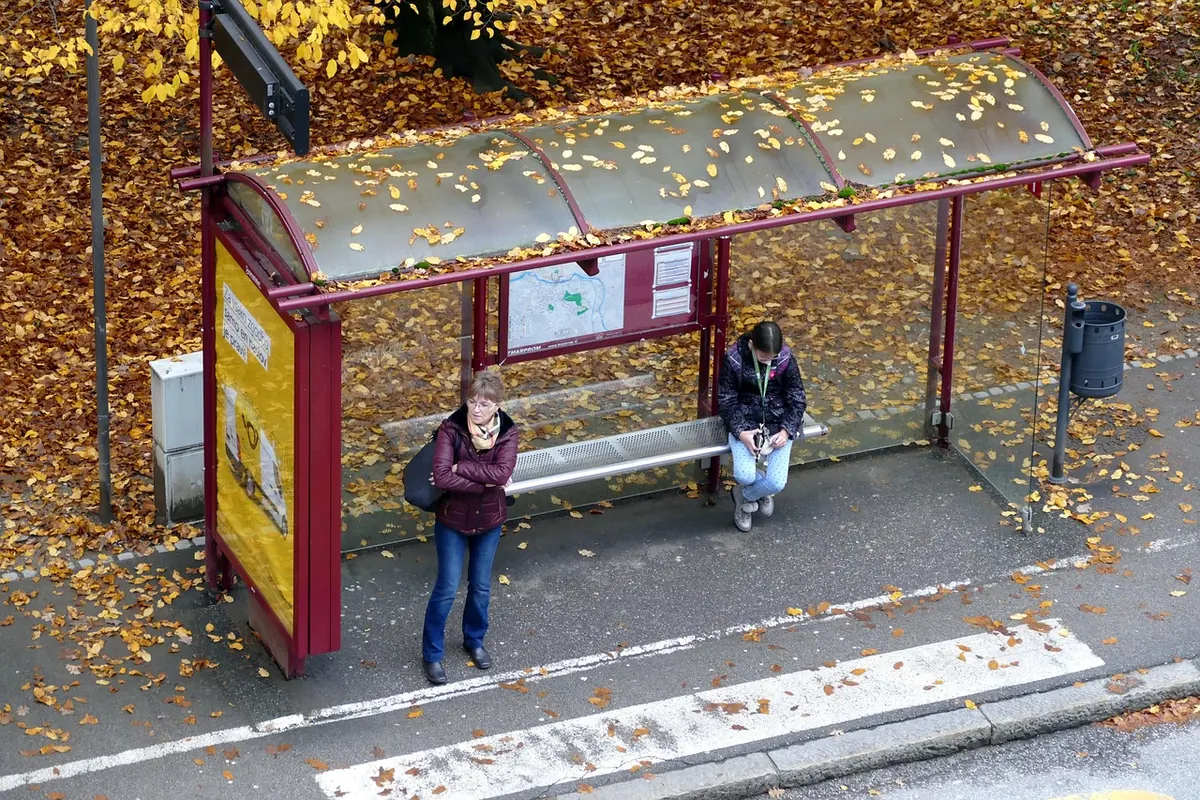
Buses cover the widest range of destinations and they keep running when the weather turns. They are also the easiest option for anyone who does not drive, cannot cycle, or is carrying more than a rucksack.
The catch is that bus travel rewards preparation.
- Check the live departure board rather than the printed timetable. The printed one tells you what should happen.
- Know your stop by name and direction. The stop on the opposite side of the road usually serves the opposite journey.
- Have a payment method ready. Contactless is standard on most services now, but a spare top-up or a ticket app is sensible.
- Check the last bus home before you go out, not at ten o'clock at night when you are trying to get back.
Frequency matters more than speed. A bus every ten minutes is a service you can use spontaneously; a bus every hour is one you have to build your day around. For short hops into the town centre, the bus is often slower than the bike but far less effort — a fair trade on a wet Wednesday.
Train: the right answer for longer journeys
For anything beyond the immediate area — a city centre, an airport, a day out, a commute — the train usually wins on time, comfort and predictability. Traffic does not affect it, and you can read or work on the way.
The part people underestimate is the journey to the station. Work that out before you commit to a routine:
- On foot: often fifteen to thirty minutes from a residential estate. Reliable, but it means leaving earlier than you think.
- By bike: frequently the best combination, provided the station has secure cycle parking.
- By bus: fine if a service runs directly and early enough for your train.
- By car or taxi: quickest, but station parking can be limited and costly, and the drop-off area is busy at peak times.
Build in a buffer. Aim to be on the platform with ten minutes to spare rather than sprinting for a closing door.
Comparing them side by side
A rough rule that holds up well for most people:
- Under a mile: walk.
- One to three miles, decent weather, no heavy loads: cycle.
- Town centre, wet day, or you would rather not arrive flustered: bus.
- Beyond the town, or anything with a fixed appointment time: train, with the trip to the station planned first.
Practical habits that make it easier
Keep a small set of defaults and the whole thing becomes less of a decision each time. Store the bus app and the train app on your phone's home screen rather than three menus deep. Keep a folded waterproof and a reusable bag by the front door. Charge your bike lights when you charge your phone. Learn the two or three stops closest to home by name, and check the return journey before you set off, not after.
If your circumstances involve a disability, a health condition or a tight budget, it is worth asking the operator directly about assistance, concessions and accessibility before you rely on a particular route. Those details change, and staff can confirm what applies to you.
Finally, mix the modes. Walking to the bus stop instead of driving to the station, or cycling one way and getting the bus back, often beats committing to a single option. The point is not to pick a favourite. It is to know in advance which one suits the trip in front of you.
Photo: MAILAI / Pixabay